Tungsten Alloy Marine Ballast Counterweight
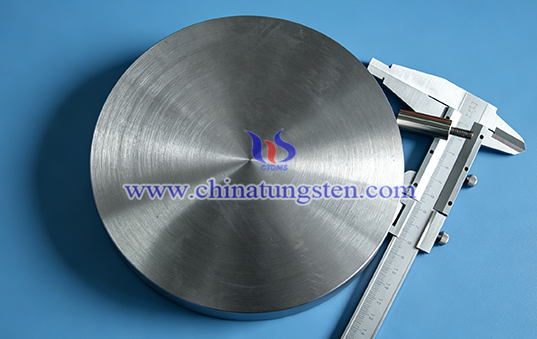
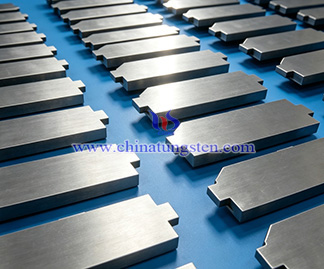
1. What’s Tungsten Alloy Marine Ballast Counterweight?
Tungsten alloy marine ballast counterweight is installed at designated locations such as the vessel bottom, keel, and bilge to provide fixed ballast, adjust mass distribution, and control the center of gravity. CTIA's tungsten alloy marine ballast counterweights meet vessel ballast requirements arising from changes in loading conditions, equipment layout, or structural constraints. They add fixed mass at designated locations to match ballast arrangements to the hull structure and loading conditions.
2. Features of CTIA's Tungsten Alloy Marine Ballast Counterweights
(1) High Density, Compact Ballast Volume: A density of 16.5–18.8 g/cm³ allows tungsten alloy counterweights to provide substantial mass in a compact volume, making them suitable for confined spaces around the vessel bottom, keel, and bilge compartments.
(2) Concentrated Mass, Flexible Ballast Adjustment: Counterweight mass and installation position allow flexible adjustment of vessel mass distribution, center of gravity, draft, trim, and heel.
(3) Controlled Center of Gravity, Stability Configuration: Lower-hull counterweight placement helps lower or fine-tune the vessel's center of gravity to meet stability requirements in coordination with hull design.
(4) Precise Dimensions, Easy Installation: Precision machining enables accurate control of external dimensions, hole positions, and mating surfaces for recessed installation, bolted mounting, and slot fitting.
(5) High Strength, Stable Load-Bearing Performance: Tensile strength of 700–1000 MPa enables the counterweights to withstand mechanical loads and structural vibrations during vessel operation and ballasting.
(6) Corrosion Resistance, Marine Suitability: Good chemical stability supports use in marine environments involving humidity, water vapor, salt spray, and bilge water.
3. Applications of CTIA's Tungsten Alloy Marine Ballast Counterweights
(1) Cargo Ships: Used in roll-on/roll-off ships, car carriers, bulk carriers, and other cargo vessels to provide fixed ballast and adjust the center of gravity, draft, and trim under different loading conditions.
(2) Engineering Vessels: Used in dredgers, pile-driving vessels, and offshore wind installation vessels. Ballast mass and placement are configured according to equipment layout and operating conditions to maintain hull balance.
(3) High-Speed Vessels: Used in hydrofoils, high-speed catamarans, and high-speed passenger vessels to adjust the center of gravity and vessel attitude through appropriate ballast placement.
(4) Yachts: Installed at designated locations in the hull bottom, keel, or interior of sailboats, motorboats, and large yachts. Ballast configuration is tailored to hull structure and load distribution to adjust the center of gravity and sailing attitude.
(5) Passenger Ships: Used in ferries, cruise ships, and tourist vessels to supplement fixed ballast under different passenger loading conditions and support vessel stability and center-of-gravity control.
4. Specifications of CTIA's Tungsten Alloy Marine Ballast Counterweights
(1) Materials: W-Ni-Fe, W-Ni-Cu
(2) Tungsten Content: 90%–97%
(3) Density: 16.5–18.8 g/cm³
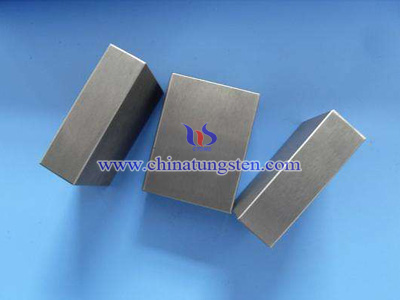
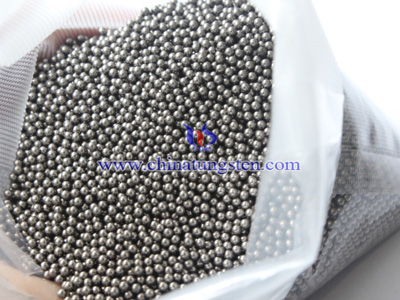
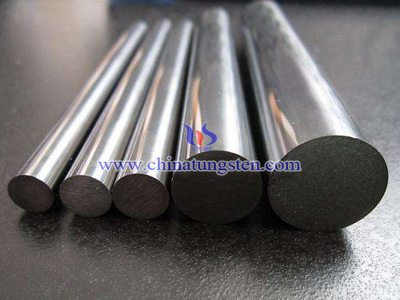
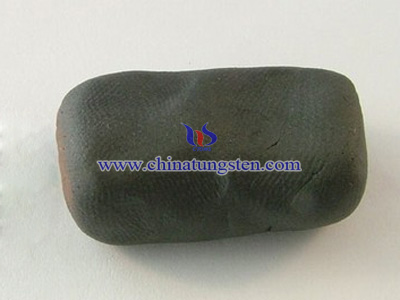
(4) Shapes: Tungsten alloy blocks, bars, columns, plates, and custom-shaped parts
(5) Dimensions and Weight: Customizable
CTIA GROUP (CTIA) has nearly 30 years of experience in tungsten alloy manufacturing, with expertise in powder metallurgy and precision machining. CTIA provides customized tungsten alloy counterweight solutions designed to suit vessel structures, ballast positions, and available installation space across cargo ships, engineering vessels, passenger ships, and yachts.
For any inquiry, please contact tungsten alloy manufacturer: CTIA GROUP
Email: sales@chinatungsten.com
Tel: 0086 592 5129696 / 0086 592 5129595
Website: tungsten-alloy.com
WeChat:

Related Products: